March 10 2022 Every farm has a story.Like most stories, farms also have chapters. These chapters may be defined by one planting season, a production year, or perhaps a generation of ownership
Feb. 22 2022 One of the biggest culprits of global climate change is methane – a potent greenhouse gas that traps heat in the atmosphere. Methane emissions from livestock production have long been scrutinized,...
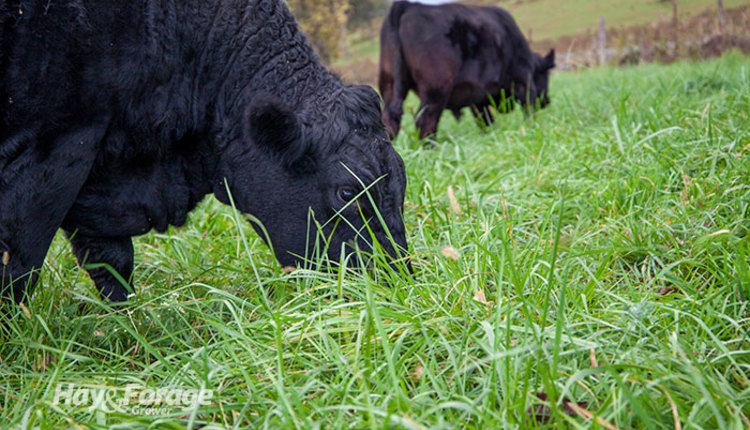
Feb. 15 2022 The sun is setting later and later each day, and grazing season is just beyond the horizon. With that said, producers will need to make many decisions before livestock can be put out on pasture, inclu
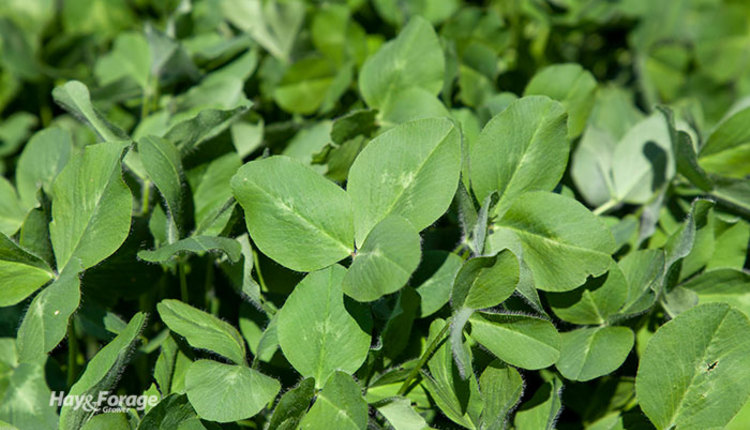
Feb. 8 2022 If ever there were an animal in trouble with toxic endophyte-infected tall fescue, red clover would likely have been able to help prevent the issue. This legume can remedy vasoconstriction in cattle
Feb. 1 2022 Producers may be digging deep into their pockets to purchase fertilizer this year. However, such an investment might not be necessary for fields where corn and small grains follow alfalfa
Jan. 18 2022 Most grazing systems are anchored by perennial forages, which means there are parts of the year when pasture productivity will take a plunge
Jan. 11 2022 Ringing in the new year often encourages people to declare resolutions. Cow-calf producers among this group of goal-setters may resolve to enhance livestock production, and to do this they must
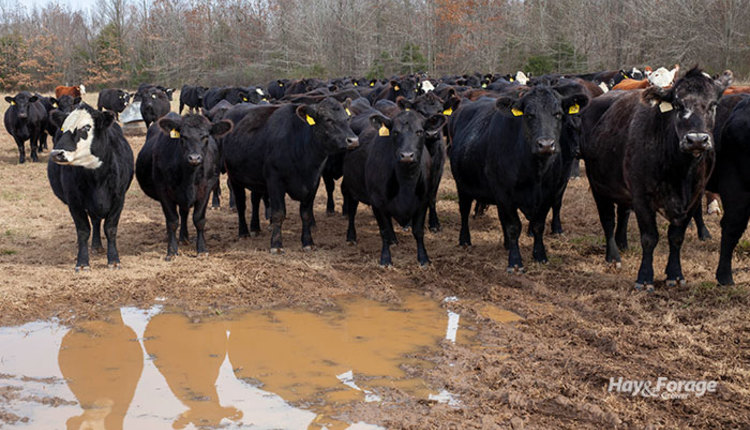
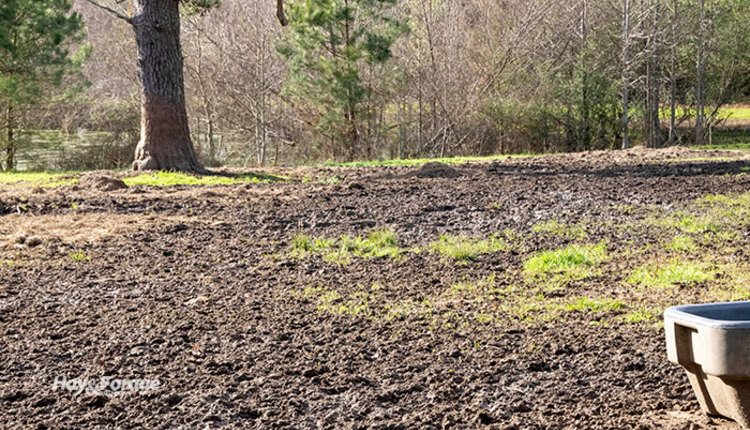
Jan. 4 2022 Snow isn’t the only thing cattle might be sinking their hooves in this season. Mud may also cover fields when hay is fed in the winter, and it can lead to more than just a mess. Mud can reduce anima
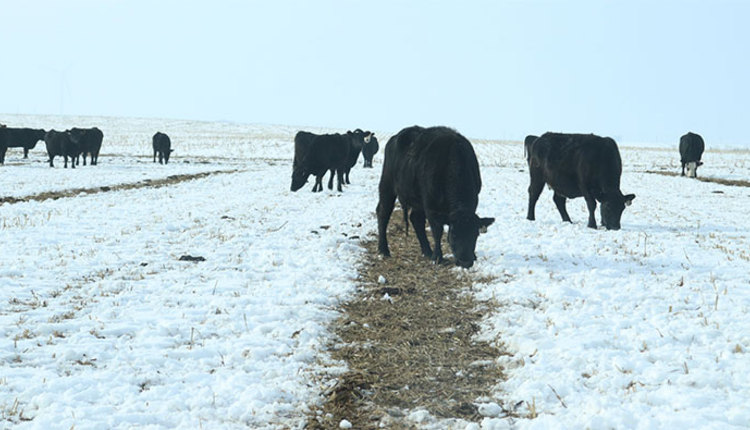
Dec. 21 2021 Swath grazing can save livestock producers time, labor, and money. This winter feeding strategy involves cutting forage in late fall and raking it into windrows for cattle to graze over winter –...
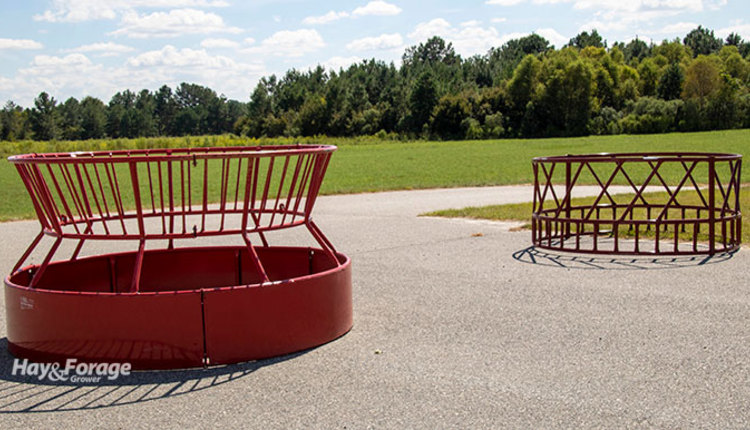
Dec. 14 2021 At this point in the year, the temperature has dropped, forage production has slowed, and the grazing window is closing. While many producers will rely on large round bales to feed their herd, the str
Dec. 7 2021 Calving season can be a stressful time, especially considering the unpredictability of when cows will calve. Keeping an eye on your herd is doable in the daylight, but management becomes more challeng
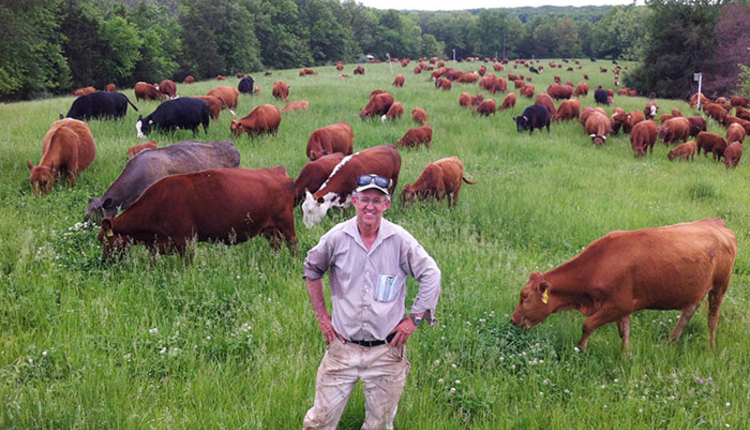
Nov. 30 2021 Photo: Greg Judy Green Pasture Farms in central Missouri comprises many fields that were once idle cropland shrouded with shrubs and trees. It wasn’t until Greg Judy, owner of the farm, took ov
Nov. 16 2021 Photo: Paige SmartSustainable intensification is a term used to describe farming practices that maximize yields without harming the environment and without the need to convert additional acres into cr
Nov. 10 2021 If you find yourself stuck in a pack of vehicles cruising down State Route 15 near Bryan, Ohio, odds are you’ve just entered Friedel Family Farms territory