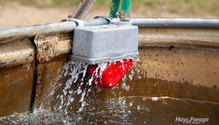
The shadows sway and seem to saytonight we pray for water, cool water.And way up there, He'll hear our prayerand show us where there's water, cool, clear, water. It was almost 80 years ago when
Spring — the time of year when pastures are green, growing, and soil moisture is plentiful. So, does that make grazing decisions easier or more difficult compared to mid-summer or fall when pastures
What if pasture grass was poisoning your cattle? That is exactly the case with toxic tall fescue. Some producers go to great lengths to try to mitigate the negative impacts of toxic tall fescue
For centuries, beef cattle production has relied on forages and grazing. Typically, the land resources utilized to support ruminant production are nontillable acres
Welcome to this first installment of The Pasture Walk. The editors of Hay & Forage Grower have invited me to share my thoughts on pasture and grazing management through 2020
Hugh Aljoe has visited a lot of ranches and consulted with a lot of livestock producers in his role as the director of producer relations and as a pasture and range consultant with the Noble Research
Pick a cow . . . any cow. How tolerant is she to fescue toxicosis? The truth is: We don’t always know. But how great would it be if we did? I’m convinced that someday we will select bulls and
In the past, agriculture was a vocation learned mainly through family ties. However, little headway has been made to create practical, hands-on learning opportunities for individuals from non-ag backgrounds
When it comes to providing forage for livestock in the winter, there are generally two methods: You can provide forage in the form of traditional hay, or you can feed it by grazing standing forage
We’ve all used rules of thumb in our daily decision-making processes. Such rules or axioms are generally helpful and, more often than not, result in favorable outcomes.Farming and ranching don’t
In 1986, Carl Hoveland, former University of Georgia extension forage specialist, wrote, “The greatest opportunity for improving profitability in Southeastern beef production lies in stockering wean
Summer is a period in the Upper Midwest that is critical for operations that rely on common temperate grasses like orchardgrass, perennial ryegrass, Kentucky bluegrass, or smooth bromegrass